

Let’s Talk About Breath and Form Before Movement in Pilates
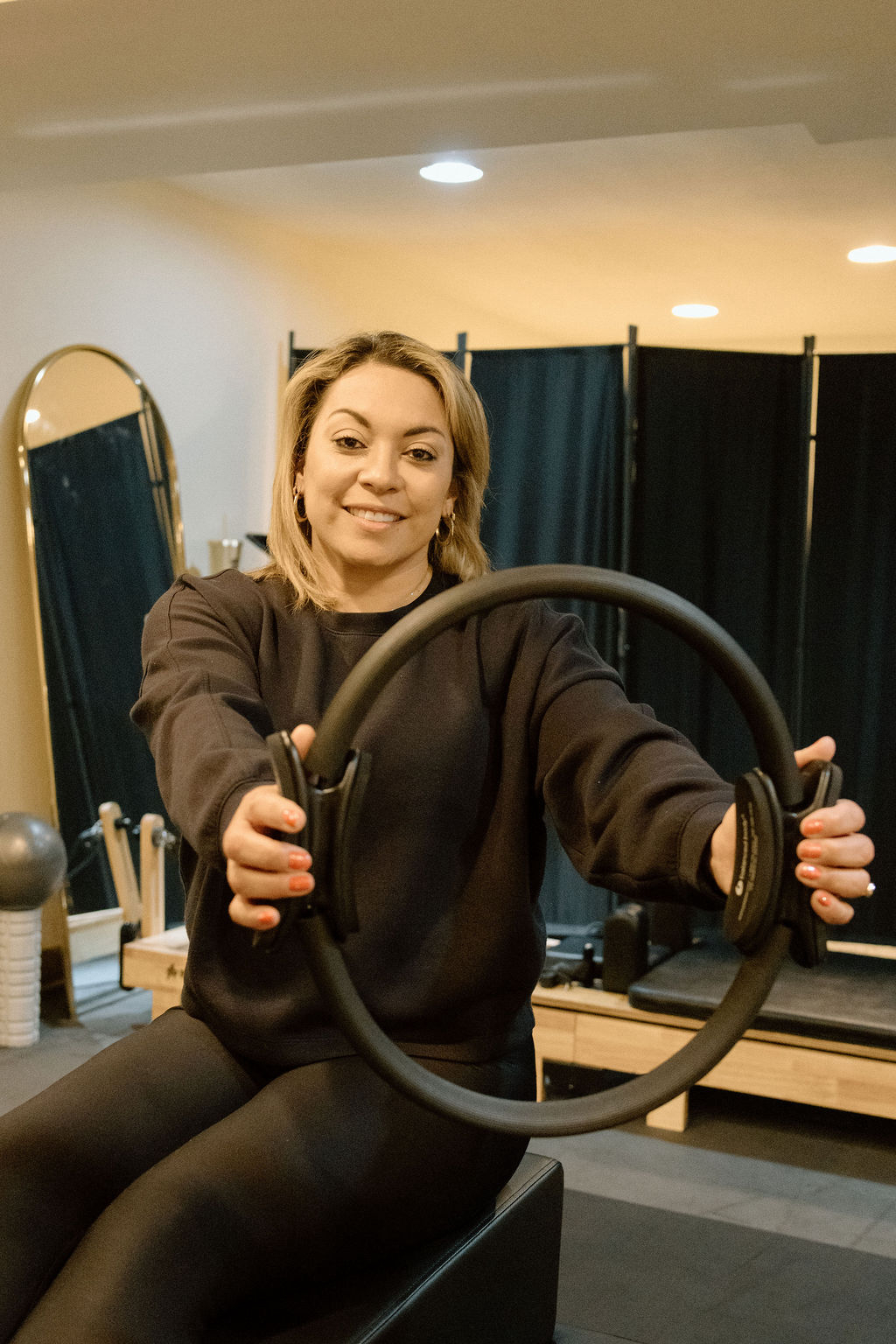
When you start Pilates, it’s easy to get excited about the movements and want to push your body right away. But I’ve learned that focusing on breath and form first is the key to getting the most from your practice. Pilates is not about rushing through exercises or trying to stretch as far as possible. It’s about slow, controlled movements done with the right alignment and breathing. This approach helps protect your body and builds strength in a safe way.
Why Breath Matters More Than Movement
Breath is the foundation of Pilates. It connects your mind and body and helps you stay focused. When you breathe correctly, you engage your core muscles and support your spine. This makes every movement more effective and reduces the risk of injury.
In Pilates, breathing is not just about taking air in and out. It’s about using your breath to guide your movement. For example, you inhale to prepare and exhale as you move, which helps you activate the deep muscles around your abdomen and back. This controlled breathing keeps your body stable and balanced.
If you try to move without paying attention to your breath, you might tense up or use the wrong muscles. That can lead to discomfort or strain. So, before you even think about how far you can move, focus on breathing deeply and steadily.
The Importance of Correct Form and Alignment
Form and alignment are the backbone of Pilates. They ensure that your body moves in the safest and most efficient way. When your form is correct, you use the right muscles and avoid putting stress on your joints.
Many people think Pilates requires big, dramatic movements. Actually, the range of motion is often smaller than you expect. The goal is to move slowly and with control, paying close attention to how your body feels. This helps you build strength and flexibility gradually.
For example, when doing a Pilates roll-up, it’s not about how far you can reach forward. It’s about keeping your spine aligned, engaging your core, and moving smoothly. If you try to push too far without control, you risk straining your back.
Taking time to learn the correct form also helps you get better results. You’ll notice improvements in posture, balance, and muscle tone. Plus, you’ll feel more confident in your practice.
How Slow and Controlled Movements Benefit You
Pilates movements are designed to be slow and controlled. This pace allows you to focus on each muscle and joint. It also helps you avoid using momentum, which can reduce the effectiveness of the exercise.
Moving slowly means you can feel your body better. You become aware of any tightness, weakness, or imbalance. This awareness is important for making adjustments and preventing injury.
Controlled movements also build endurance. Instead of tiring your muscles quickly, you train them to work steadily over time. This leads to lasting strength and better overall fitness.
If you rush through Pilates exercises, you might miss these benefits. You could also develop bad habits that are hard to fix later.
Examples of Pilates Products That Support Breath and Form
At Renew Pilates Studio, we focus on helping clients master breath and form before adding more challenging movements. Two products we offer that support this approach are the Personalized Pilates Sessions and the Small Group Pilates Classes.
Personalized Pilates Sessions
These one-on-one sessions allow you to work closely with an instructor who guides you through breathing techniques and alignment. The instructor can correct your form in real time and tailor exercises to your needs. This personalized attention helps you build a strong foundation before moving on to more advanced exercises.
Small Group Pilates Classes
In small groups, you get the benefit of community and motivation while still receiving focused instruction. The smaller class size means the instructor can watch each person’s form and offer tips on breathing and alignment. These classes are perfect for those who want to improve their technique in a supportive environment.
Both options emphasize slow, controlled movements and proper breathing. They help you avoid common mistakes and build strength safely.

How to Practice Breath and Form at Home
You don’t need to be in a studio to start focusing on breath and form. Here are some simple tips you can try at home:
Start with breathing exercises
Lie on your back and place your hands on your ribs. Breathe in through your nose without flaring your ribs. Exhale slowly through your mouth, feeling your ribs coming together, like your blowing up a balloon. Repeat for a few minutes to connect with your breath.
Practice basic Pilates positions
Try the Pilates hundred or pelvic tilt with slow, controlled movements. Focus on keeping your spine neutral and your core engaged.
Use a mirror or record yourself
Watching your form can help you notice if you’re rounding your back or holding your breath. Adjust as needed.
Keep movements small
Remember, the range of motion in Pilates is often smaller than you think. Don’t push too far too fast.
These simple steps can help you build awareness and prepare your body for more advanced Pilates exercises.
Why This Approach Works for Everyone
Whether you’re new to Pilates or have been practicing for years, focusing on breath and form first benefits your body and mind. It reduces the chance of injury and helps you get stronger in a balanced way.
This approach also fits well with different lifestyles. For example, if you have a busy schedule, short sessions focusing on breath and alignment can be very effective. If you want to improve posture for work or reduce stress, slow, mindful Pilates movements can help.
At Renew Pilates Studio, we see how this method transforms people. Clients often tell us they feel more connected to their bodies and notice improvements in daily activities.

Bringing It All Together
Breath and form are the foundation of a safe and effective Pilates practice. Before challenging your body with movement, take time to learn how to breathe properly and align your body. Pilates movements are slow and controlled, with a smaller range of motion than you might expect.
Using services like the Personalized Pilates Sessions or Small Group Pilates Classes at Renew Pilates Studio can help you build this foundation. These options provide expert guidance and support to make sure you get the most from your practice.
Remember, Pilates is a journey. Focusing on breath and form first sets you up for long-term success and helps you enjoy every step along the way.

If you want to start or deepen your Pilates practice with a focus on breath and form, consider reaching out to a local studio or instructor. Taking that first step can make all the difference in your health and well-being.


Comments